The Future of AI and Robotics: Where Intelligence Meets Automation

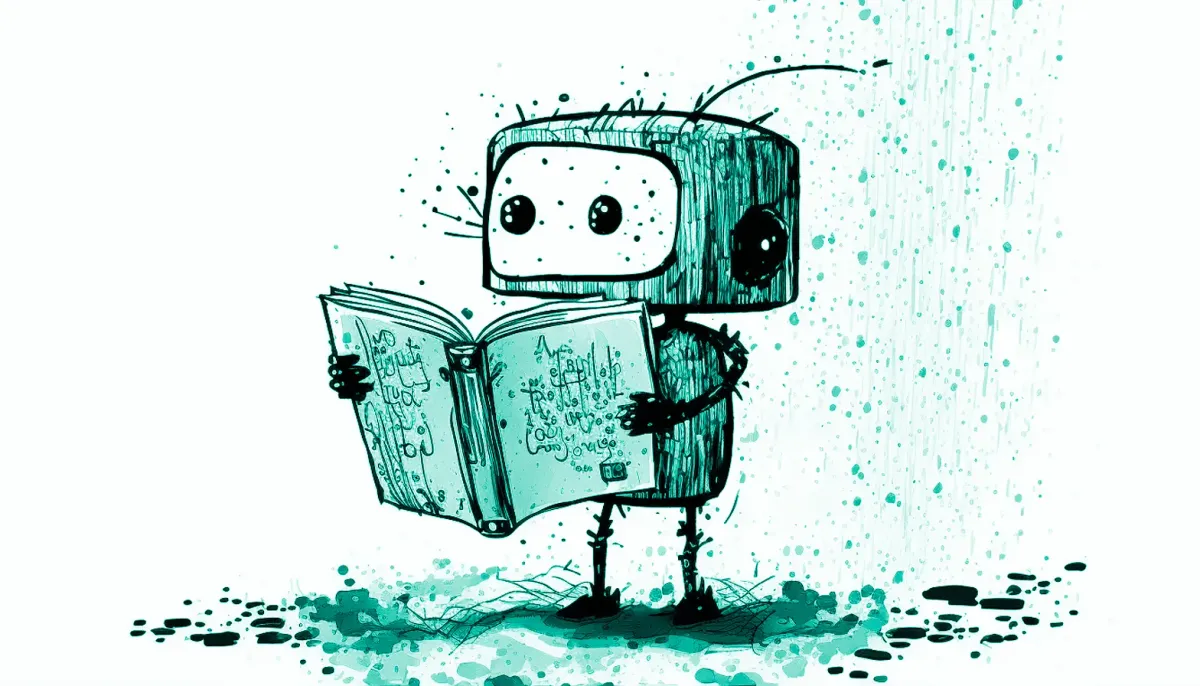
Artificial Intelligence (AI) and Robotics are no longer futuristic buzzwords — they are transforming industries, economies, and even our daily lives. When combined, these technologies unlock possibilities that were once confined to science fiction.
Why AI + Robotics is Powerful
Robotics provides the physical embodiment — machines that can move, sense, and act in the real world. AI, on the other hand, provides the intelligence — the ability to learn, adapt, and make decisions. Together, they create systems that are not just automated, but autonomous.
- AI enables perception: Computer vision and natural language processing allow robots to “see” and “understand.”
- AI enables decision-making: Algorithms process vast data to guide actions in real-time.
- Robotics executes: Mechanical systems carry out precise, consistent tasks with speed and accuracy.
Real-World Applications
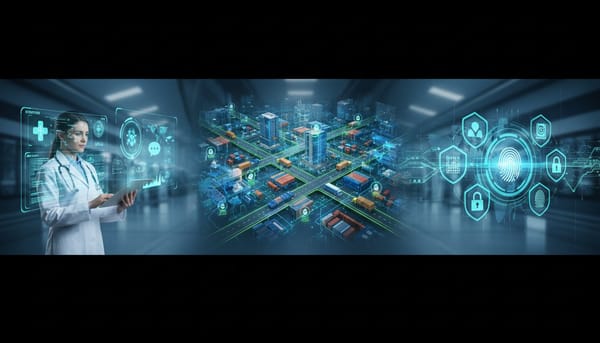
- Healthcare: Surgical robots powered by AI are assisting doctors with precision. Care robots support the elderly, providing companionship and daily assistance.
- Manufacturing: Smart robots adapt to production changes without reprogramming, making factories more flexible and efficient.
- Logistics: Warehouses and delivery systems are increasingly automated with AI-driven robots that optimize routes and manage inventory.
- Exploration: From Mars rovers to deep-sea drones, AI-guided robots are reaching places humans cannot.
Opportunities and Challenges
The promise is immense: improved efficiency, enhanced safety, and entirely new products and services. But challenges remain:
- Ethics & Jobs: How do we balance automation with human employment?
- Bias & Safety: Can we trust AI-driven decisions in critical moments?
- Regulation: Governments are still catching up to the pace of innovation.
Looking Ahead
The line between humans, AI, and machines will continue to blur. We’re heading toward a world where collaborative robots (“cobots”) work alongside humans, and where AI enables machines to learn on the fly.
The future of AI and robotics is not about replacing humans but augmenting our capabilities — enabling us to focus on creativity, problem-solving, and innovation while machines take care of repetitive, dangerous, or precision-demanding tasks.
💡 If you’re excited about this space, keep an eye on developments in reinforcement learning, edge AI, and human-robot collaboration — these will define the next decade of intelligent robotics.