Robotics Integration: What You Need to Know for Modern Automation

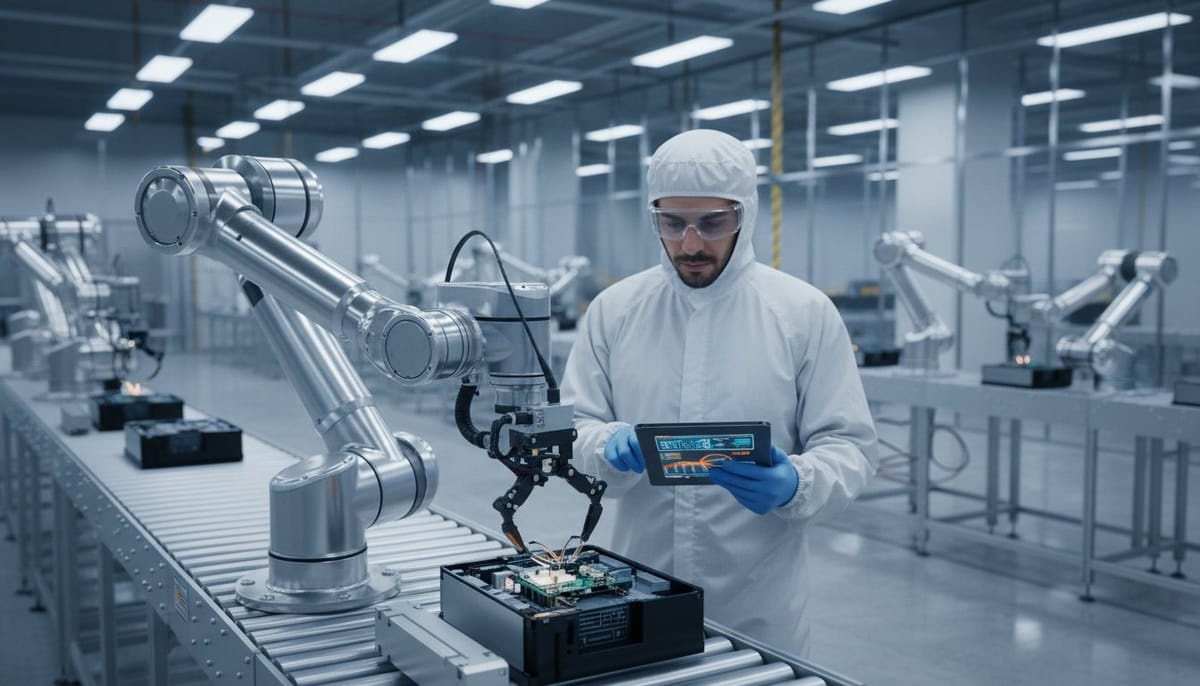
Understanding Robotics Integration in Modern Automation
In today's rapidly evolving industrial landscape, the strategic integration of robotics has become a cornerstone for companies aiming to boost efficiency, enhance precision, and drive innovation. Moving beyond simple automation, robotics integration involves seamlessly weaving robotic systems into existing production lines, workflows, and digital infrastructures. This isn't just about placing a robot; it's about creating a cohesive, intelligent ecosystem where humans and machines collaborate to achieve unprecedented levels of productivity and quality. For any organization looking to thrive in modern manufacturing, logistics, or even healthcare, understanding and mastering robotics integration is no longer optional – it's essential.
Key Steps to Successful Robotics Integration
1. Assess Your Needs and Define Clear Objectives
Before investing in any robotic solution, a thorough assessment of your current operations is paramount. Identify specific pain points, bottlenecks, and areas where human tasks are repetitive, dangerous, or prone to error. Ask critical questions:
- What specific problems are you trying to solve? (e.g., reduce labor costs, increase throughput, improve safety, enhance product quality)
- What are your measurable goals? (e.g., 20% increase in production, 15% reduction in defects, 50% decrease in workplace injuries)
- What is your projected Return on Investment (ROI)? Quantify the financial benefits and payback period.
This initial phase helps in selecting the most appropriate robotic solution and ensures alignment with your broader business strategy. For expert guidance in this area, consider our specialized AI Strategy services.
2. Select the Right Robotics Technology
The world of robotics is diverse, offering various types of robots, each suited for different applications. Your assessment will guide this crucial decision:
- Industrial Robots: For heavy-duty, high-speed, repetitive tasks (e.g., welding, painting, material handling).
- Collaborative Robots (Cobots): Designed to work safely alongside humans without extensive safety caging, ideal for assembly, inspection, and pick-and-place tasks.
- Mobile Robots (AGVs/AMRs): For automated material transport within facilities.
- Specialized Robots: For unique applications like surgical assistance, harvesting, or delicate electronics assembly.
Consider not just the robot arm itself, but also the end-effectors (grippers, tools), sensors (vision systems, force sensors), and the software platform that will control and integrate it.
3. Design the Integrated System and Workflow
This step involves detailed planning of how the robot will fit into your existing environment. It's not just about placing the robot; it's about optimizing the entire process:
- Layout Planning: Determine the optimal physical placement of the robot to minimize travel time, maximize reach, and ensure safety clearances.
- Workflow Redesign: Adapt your production line or process to seamlessly incorporate the robot's movements and tasks. This may involve re-sequencing operations or modifying workstations.
- Safety Protocols: Develop comprehensive safety measures, including emergency stops, safety zones, and interlocks, to protect human workers. Adherence to industry standards (e.g., ISO 10218) is crucial.
- Data Integration: Plan how the robot will communicate with other machines, PLCs, MES, or ERP systems. Data exchange is vital for real-time monitoring and control, a core component of effective Data Analytics.
4. Implementation, Installation, and Programming
With a robust design in hand, the next phase is physical deployment:
- Physical Installation: Mount the robot, connect power and communication lines, and install end-effectors and peripheral equipment.
- Programming: Program the robot's movements, tasks, and logic. This often involves teach pendants, offline programming software, or even AI-driven learning for complex tasks. To deepen your understanding of these advanced methodologies, we recommend exploring our ultimate guide on AI. Thorough testing of each programmed sequence is critical.
- System Integration: Connect the robot's control system with other automation components. Ensure smooth data flow and synchronized operations across the entire integrated system.
- Calibration and Testing: Rigorously test the entire integrated system under various operational scenarios, including edge cases and error conditions, to ensure reliability and accuracy.
5. Training, Maintenance, and Continuous Improvement
A successful integration extends beyond initial setup:
- Staff Training: Train operators, maintenance personnel, and engineers on how to interact with, program, troubleshoot, and maintain the robotic system. User-friendliness and safety awareness are key.
- Preventative Maintenance: Establish a regular maintenance schedule for your robotic assets to ensure longevity and prevent unexpected downtime.
- Performance Monitoring: Continuously monitor the robot's performance against your defined objectives. Collect data on uptime, cycle times, error rates, and quality metrics.
- Continuous Optimization: Use performance data to identify areas for improvement. Robotics integration is an iterative process; seek opportunities to fine-tune programs, enhance safety, or expand capabilities over time.
Overcoming Common Challenges
Integrating robotics can present hurdles. Initial investment costs, the complexity of system integration, and potential resistance from employees are common. Mitigate these by starting with pilot projects, ensuring robust safety training, and fostering an environment of collaboration and upskilling rather than job displacement. Choose modular, scalable solutions that allow for future expansion.
Best Practices for Seamless Integration
- Start Small, Scale Up: Begin with a well-defined pilot project to gain experience and validate ROI before a broader rollout.
- Collaborate with Experts: Leverage the expertise of robotics integrators and vendors.
- Prioritize Safety: Never compromise on safety. Design systems with human interaction in mind.
- Document Everything: Maintain detailed documentation for design, programming, maintenance, and troubleshooting.
- Foster an Innovation Culture: Encourage your team to embrace new technologies and participate in the integration process, understanding how insights from How to Leverage Generative AI: From LLMs to Real-World Applications can drive further innovation.
By following these structured steps and best practices, businesses can successfully navigate the complexities of robotics integration, unlocking significant competitive advantages and paving the way for a more automated, efficient, and resilient future.