Generative AI, LLMs, and Robotics: Full Features Guide to Key AI Technologies

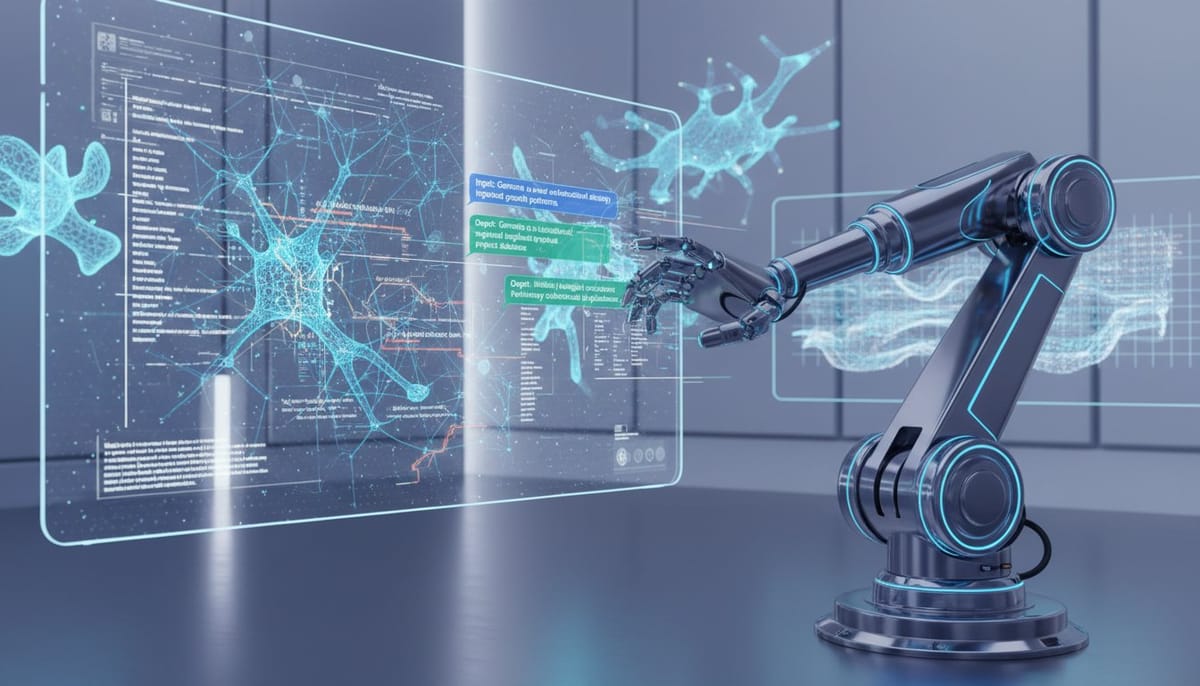
The Convergence of Intelligence and Action: Generative AI, LLMs, AI Agents, and Robotics
The landscape of artificial intelligence is rapidly evolving, moving beyond isolated algorithms to integrated, intelligent systems. At the forefront of this transformation is the powerful synergy between Generative AI, Large Language Models (LLMs), AI Agents, and Robotics. This guide will walk you through understanding, implementing, and leveraging these key AI technologies to build sophisticated, autonomous solutions that bridge the gap between digital intelligence and physical action. For a deeper dive into the broader AI landscape, consult our ultimate guide on AI.
Understanding the Core Technologies
Before diving into integration, it's crucial to grasp the individual strengths of each component:
- Generative AI: These models excel at creating new, original content—be it text, images, audio, or even synthetic data—from learned patterns. Think of DALL-E generating images or models synthesizing realistic simulation environments. Its power lies in its ability to innovate and expand datasets.
- Large Language Models (LLMs): LLMs are the linguistic powerhouse, capable of understanding, generating, and reasoning with human-like text. They provide the 'brain' for natural language interaction, complex instruction following, summarization, and even sophisticated problem-solving through textual prompts.
- AI Agents: An AI Agent is a system designed to perceive its environment, make decisions, and take actions to achieve specific goals. Unlike passive models, agents possess autonomy, memory, and often a planning capability, allowing them to orchestrate tasks and adapt to dynamic situations. They are the 'doers' that leverage other AI components.
- Robotics: Robotics provides the physical embodiment and interaction with the real world. Robots can manipulate objects, navigate spaces, perform physical tasks, and collect sensory data. They are the 'hands and feet' that execute the intelligent decisions made by the AI.
Practical Applications and Synergy
The true power emerges when these technologies are combined. Here’s how they create unprecedented capabilities:
- Intelligent Robotic Assistants: Imagine a factory robot that not only performs tasks but understands complex, natural language instructions from a human supervisor, asks clarifying questions (via LLM), and adapts its workflow based on real-time feedback. An AI agent would orchestrate the LLM's understanding with the robot's physical actions.
- Autonomous Exploration and Data Generation: A robotic explorer in a hazardous environment could use an LLM to interpret sensor data and generate reports, while Generative AI could create detailed 3D maps or simulate potential future scenarios for path planning. The AI agent would manage the robot's exploration strategy.
- Personalized Manufacturing & Design: Generative AI can design custom product variations based on user prompts. LLMs can interpret customer requirements. An AI agent can then direct a robotic arm to assemble or customize these products, leading to highly personalized, on-demand manufacturing.
- Advanced Predictive Maintenance: Robots equipped with sensors can collect data from machinery. An LLM can analyze maintenance logs and technical manuals, while Generative AI can simulate component failures to predict potential issues with high accuracy. An AI agent could then dispatch maintenance robots or schedule human intervention.
Implementation Guide: Integrating AI into Robotic Systems
Building these integrated systems requires a structured approach:
Step 1: Define Your Use Case and Goals
Clearly articulate the problem you're solving or the task you want to automate. What specific actions should the robot perform? What level of intelligence and autonomy is required? Example: Automate inventory management in a warehouse, allowing a robot to locate, identify, and report on specific items using natural language queries. Such solutions are transformative for Logistics.
Step 2: Select Your AI Components and Robotics Platform
- LLM: Consider APIs like OpenAI's GPT models, or open-source alternatives for on-premise deployment.
- Generative AI: Depending on the need (e.g., synthetic data, design), choose appropriate models (e.g., Stable Diffusion for images, specialized GANs for data).
- AI Agent Framework: Libraries like LangChain or AutoGen provide structured ways to build and manage AI agents, enabling memory, tool use, and multi-step reasoning.
- Robotics Platform: Popular choices include ROS (Robot Operating System) for software, and various commercial or custom robotic arms/mobile platforms for hardware.
Step 3: Develop the AI-Robotics Interface
This is where the digital brain connects to the physical body. You'll need:
- Command Translation: Convert LLM outputs (natural language instructions) into precise, executable commands for the robot (e.g.,