The Rise of Deepfakes: Understanding the Technology, Risks, and Detection Methods

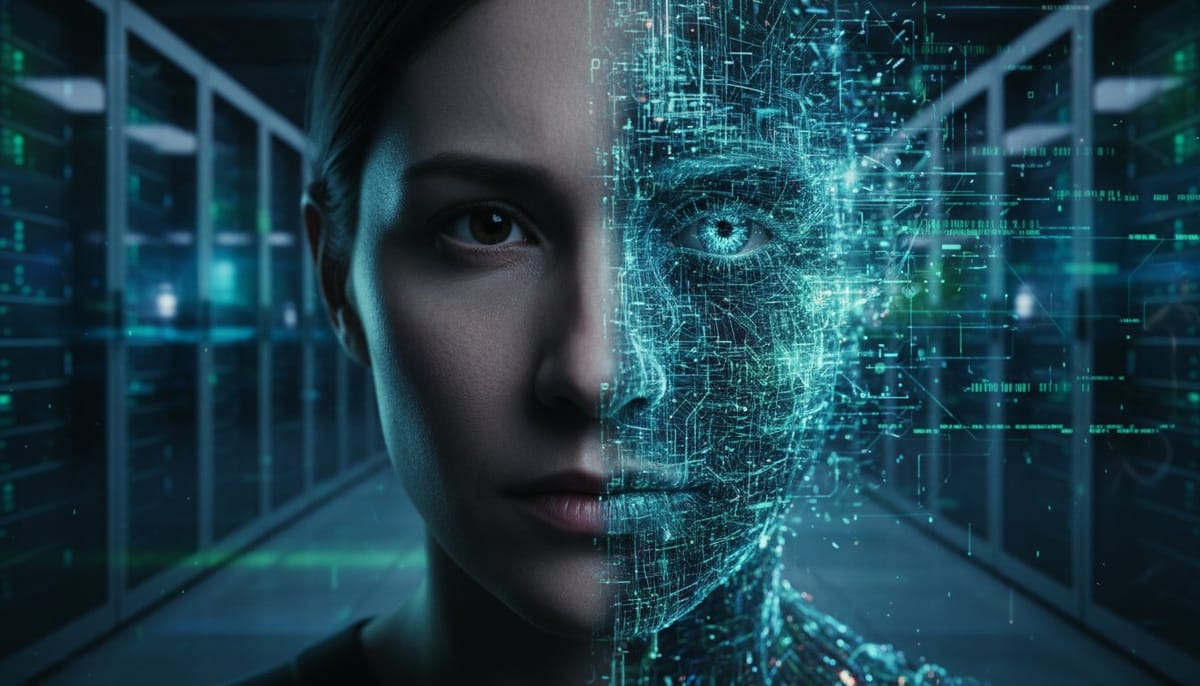
Unmasking Reality: A Deep Dive into Deepfakes
In an increasingly digital world, the line between what's real and what's fabricated has grown alarmingly thin. At the forefront of this blurring reality are deepfakes – synthetic media that can make it appear as though someone said or did something they never did. Once a niche technology, deepfakes have rapidly evolved, becoming more sophisticated and accessible, posing significant challenges to individuals, organizations, and even democratic processes. Understanding this powerful technology, its inherent risks, and the methods used to detect it is crucial for navigating our complex information landscape. For a broader understanding of this field, refer to our ultimate guide on AI.
What Exactly Are Deepfakes? The Technology Unveiled
The term "deepfake" is a portmanteau of "deep learning" and "fake." At their core, deepfakes leverage artificial intelligence, specifically advanced Machine Learning techniques, to superimpose existing images or videos onto source images or videos. The most common types involve swapping faces in videos or manipulating audio to mimic a person's voice and speech patterns.
The Power of Generative Adversarial Networks (GANs) and Autoencoders
Two primary technological pillars underpin most deepfake creation: Generative Adversarial Networks (GANs) and autoencoders. A GAN consists of two neural networks: a generator and a discriminator. The generator creates new data (e.g., a fake image) while the discriminator tries to distinguish between real and fake data. They train each other in an adversarial process, with the generator striving to create fakes that fool the discriminator, and the discriminator improving its ability to spot fakes. This iterative process results in incredibly realistic synthetic media.
Autoencoders, on the other hand, learn to encode and decode data. For deepfakes, two autoencoders are trained on videos of two different people (say, Person A and Person B). Each autoencoder learns to represent the unique features of its respective person's face. By training a shared "decoder" that can reconstruct faces from the encoded data, it becomes possible to take Person A's face, encode it, and then use Person B's decoder to reconstruct it as Person B's face, effectively performing a face swap.
The Alarming Risks and Ramifications of Deepfakes
The implications of deepfake technology are far-reaching and deeply concerning across various sectors:
- Misinformation and Propaganda: Perhaps the most immediate threat, deepfakes can be used to create highly convincing fake news, political propaganda, or manipulated statements from public figures, swaying public opinion and destabilizing elections.
- Reputational Damage and Defamation: Individuals, especially public figures, are vulnerable to deepfakes that depict them in compromising situations or saying damaging things they never did, leading to severe personal and professional repercussions.
- Financial Fraud and Scams: Voice deepfakes can be used in sophisticated phishing attacks, mimicking the voice of a CEO requesting an urgent transfer or a family member asking for money, making scams harder to detect, especially within the Finance sector.
- Non-Consensual Explicit Content: A deeply unethical and illegal application, deepfakes are used to create non-consensual pornographic content, overwhelmingly targeting women, causing immense emotional distress and violating privacy.
- Erosion of Trust in Media and Information: The mere existence of convincing deepfakes fosters a climate of skepticism, where people question the authenticity of all visual and audio evidence, even legitimate reporting.
Detecting Deepfakes: Methods and Mounting Challenges
As deepfake technology advances, so too do the efforts to detect them. While challenging, several methods are being developed and refined:
- Visual Cues and Artifacts: Early deepfakes often exhibited tell-tale signs such as inconsistent lighting, pixelation around the swapped face, unusual blinking patterns (or lack thereof), unnatural head movements, or inconsistencies in skin tone and facial features across frames. While creators are getting better at hiding these, trained eyes and AI tools can still spot subtle anomalies.
- Audio Analysis: For voice deepfakes, experts can analyze speech patterns, pitch inconsistencies, unusual pauses, or the presence of artificial background noise. Subtle digital artifacts can also be present in synthesized voices.
- Metadata Analysis: Examining the file's metadata can sometimes reveal inconsistencies, such as unusual creation dates or editing software used, although malicious actors often strip this information.
- AI-Powered Detection Tools: Researchers are developing AI models specifically trained to identify deepfakes. These models learn to recognize the subtle digital fingerprints left by deepfake generation processes, often performing better than the human eye.
- Forensic Analysis: Advanced digital forensic techniques can analyze video and audio at a granular level, looking for statistical anomalies, compression artifacts, and other digital signatures that indicate manipulation.
However, detection is an ongoing arms race. As detection methods improve, deepfake generation techniques become more sophisticated, making new fakes harder to distinguish from reality.
Protecting Yourself and Society in the Age of Deepfakes
Combating the threat of deepfakes requires a multi-faceted approach:
- Cultivate Critical Thinking and Media Literacy: Always question the source of information. If something seems too shocking, too perfect, or too controversial, pause and verify.
- Verify Sources: Cross-reference information from multiple reputable sources before accepting it as true. Be wary of content from unknown or unverified social media accounts.
- Promote Legal and Ethical Frameworks: Governments and international bodies are exploring legislation to address the malicious use of deepfakes, particularly in areas like non-consensual content and political manipulation. This includes leveraging Government AI Solutions to aid public sectors in combating such threats.
- Invest in Technological Advancements: Continued research and development in deepfake detection, digital watermarking, and content authentication technologies are vital. Learn more about organizations Leading the Charge: A Deep Dive into OpenAI, Anthropic, and the Frontier of AI Research.
- Report Malicious Content: Platforms must implement robust reporting mechanisms and act swiftly to remove harmful deepfakes. This includes social platforms where AI is increasingly integrated, such as in Grok AI and X: Elon Musk's Vision for an AI-Powered Social Platform.
Conclusion
Deepfakes represent a powerful and potentially dangerous advancement in AI. While the technology itself is neutral, its misuse poses significant threats to individual privacy, public trust, and societal stability. By understanding how deepfakes work, recognizing their potential dangers, and actively engaging in critical evaluation of digital content, we can collectively work towards a more informed and secure digital future. Combating these threats also requires robust AI Security measures. Staying vigilant and informed is our best defense against the escalating reality of deepfake deception.