AI in Robotics: How Artificial Intelligence Powers Intelligent Machines

Introduction: The Dawn of Intelligent Robotics
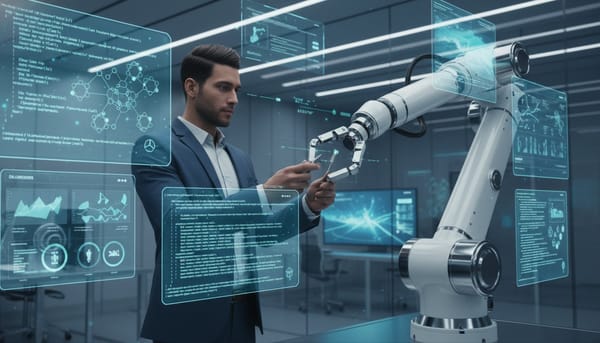
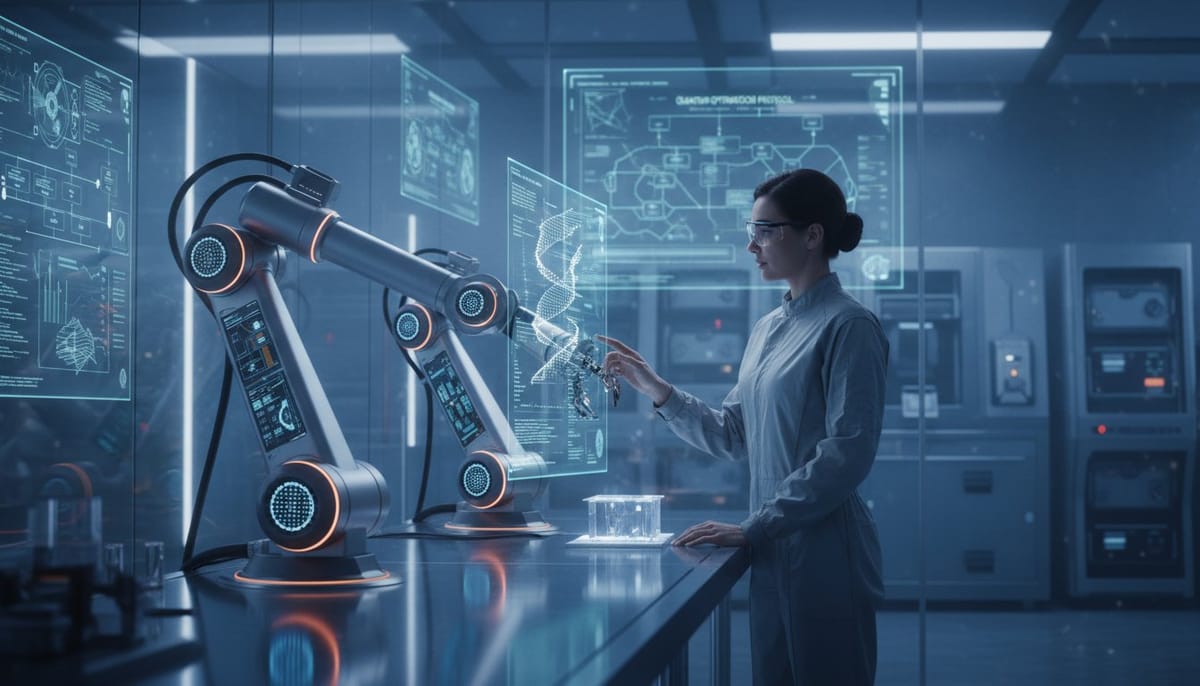
The field of robotics has undergone a revolutionary transformation, largely fueled by the incredible advancements in Artificial Intelligence (AI). What once seemed like science fiction is now becoming an everyday reality, as machines move beyond simple automation to exhibit true intelligence, adaptability, and even autonomy. This convergence of AI and robotics is not just an incremental improvement; it's a paradigm shift, enabling robots to perceive, reason, learn, and interact with the world in ways previously unimaginable. From the factory floor to operating rooms, and even in our homes, AI is the brain empowering these intelligent machines, making them more efficient, versatile, and ultimately, more valuable. Businesses looking to leverage these transformative capabilities can benefit from expert AI Strategy to integrate intelligent machines effectively.
The Synergy: AI and Robotics Defined
At its core, robotics involves the design, construction, operation, and use of robots. Traditionally, robots were programmed for specific, repetitive tasks with limited flexibility. Enter AI, which brings the capability for machines to simulate human-like cognitive functions such as learning, problem-solving, and pattern recognition. When integrated, AI provides robots with the intelligence to interpret complex data, make informed decisions, adapt to changing environments, and perform tasks that require nuanced understanding and perception. This synergy is what defines modern intelligent robotics, pushing the boundaries of what automation systems can achieve. To understand more about AI, refer to our ultimate guide on AI.
Key Applications of AI in Robotics
The impact of AI on robotics is evident across a multitude of sectors, redefining operational paradigms and creating new possibilities.
Industrial Automation and Manufacturing
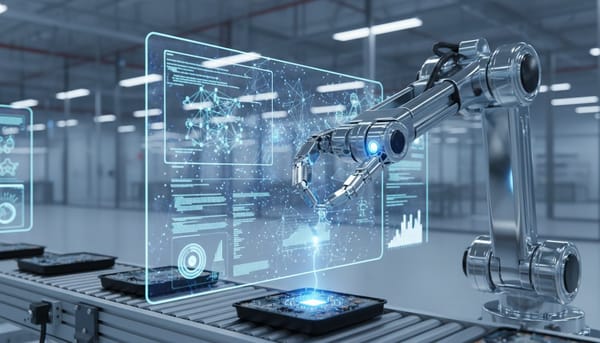
In manufacturing, AI-powered robots are moving beyond fixed-path assembly lines. Collaborative robots (cobots), equipped with AI, can safely work alongside humans, learning new tasks through demonstration and adjusting their movements in real-time. AI enhances their vision systems, allowing them to identify defects, perform precision assembly, and optimize workflows with unparalleled accuracy and speed. This leads to higher productivity, reduced waste, and greater flexibility in production.
Healthcare and Medical Robotics
AI is a game-changer in medical robotics. Surgical robots, guided by AI, can assist surgeons with incredible precision, minimizing invasiveness and improving patient outcomes. Diagnostic robots, leveraging machine learning, can analyze medical images and patient data to assist in early disease detection. For comprehensive AI solutions in this sector, explore our Healthcare services. Furthermore, AI-powered prosthetic limbs offer more natural movements and responsiveness, significantly enhancing the quality of life for amputees.
Autonomous Vehicles and Logistics
The dream of fully autonomous vehicles relies heavily on AI. Self-driving cars and delivery robots use AI for perception (understanding their surroundings through sensors), decision-making (navigating complex traffic situations), and planning (optimizing routes). In logistics, AI-driven warehouse robots manage inventory, sort packages, and transport goods with remarkable efficiency, transforming supply chain operations. This mirrors the broad AI strategies seen across major tech companies, including Amazon's AI Strategy: From AWS to Personalized Customer Experiences.
Exploration and Hazardous Environments
Robots exploring deep space, underwater trenches, or disaster zones are often deployed in environments too dangerous or inaccessible for humans. AI equips these robots with the autonomy to navigate unpredictable terrains, collect data, and make critical decisions independently, greatly expanding our ability to explore and understand the unknown.
How AI Transforms Robotic Capabilities
AI infuses robots with a range of capabilities that mimic or even surpass human abilities.
Perception and Computer Vision
Through deep learning and neural networks, AI grants robots advanced computer vision, enabling them to interpret visual data from cameras with high accuracy. They can recognize objects, faces, gestures, and even emotions, which is crucial for navigation, interaction, and performing intricate tasks.
Decision-Making and Planning
AI algorithms allow robots to process vast amounts of sensor data, perform advanced Data Analytics to analyze situations, and make intelligent decisions in dynamic environments. This includes path planning, obstacle avoidance, and task prioritization, enabling robots to respond appropriately to unforeseen circumstances rather than simply following pre-programmed instructions.
Learning and Adaptability
Machine learning is perhaps the most transformative aspect. Robots can learn from experience, data, and human feedback. This means they can improve their performance over time, adapt to new tasks, and even teach themselves optimal strategies for complex problems, making them incredibly versatile.
Human-Robot Interaction (HRI)
Natural Language Processing (NLP) allows robots to understand and respond to human speech, while AI-driven emotion recognition helps them tailor their responses, fostering more effective and comfortable collaboration between humans and machines. To delve deeper into the technology behind advanced language capabilities, see Understanding Generative AI and Large Language Models (LLMs).
Challenges and Future of AI in Robotics
While the future of AI in robotics is bright, challenges remain. Ensuring safety, addressing ethical concerns around job displacement, and developing robust AI systems that can operate reliably in unpredictable real-world scenarios are paramount. Data privacy and security for AI-driven systems also require careful consideration, especially given the evolving landscape of AI capabilities, including the concerns highlighted in discussions around The Rise of Deepfakes: Technology, Risks, and Detection.
Ethical Considerations and Safety
The increasing autonomy of robots raises crucial ethical questions. How do we ensure AI-powered robots make moral decisions? What are the implications for human employment? Developing clear ethical guidelines and stringent safety protocols is essential as these technologies become more pervasive.
The Road Ahead
The future promises even more sophisticated AI-driven robots. Expect to see greater integration of reinforcement learning for rapid skill acquisition, improved natural language understanding for more seamless human-robot collaboration, and advancements in soft robotics for more agile and adaptable physical forms. The continuous innovation in AI will undoubtedly unlock new frontiers in robotics, pushing the boundaries of what intelligent machines can achieve. For insights into the companies driving much of this progress, explore Leading the AI Frontier: OpenAI and Anthropic's Impact on Innovation.
Conclusion: The Intelligent Evolution of Robotics
Artificial Intelligence is not merely an enhancement but the very engine driving the next generation of robotics. By imbuing machines with perception, learning, and decision-making capabilities, AI has transformed robots from simple tools into intelligent partners. As AI continues to evolve, so too will the capabilities of robots, promising a future where intelligent machines play an increasingly integral role in every facet of our lives, enhancing productivity, improving quality of life, and solving some of humanity's most pressing challenges. Major players in the AI space, such as those discussed in AI Giants: Exploring Google and Meta's Contributions to Artificial Intelligence, continue to push these boundaries.